The Whole Project
By Kenny Fahey, President & CEO, Leading Harvest
It’s easy to feel adrift in the sustainable agriculture movement today. Uncertain of mandate, overwhelmed by complexity, and quietly wondering whether any of this is actually working.
I started my career in this sector working as a butcher. There was a certain clarity that came from talking to people every day about the food they ate, and the values embedded in those choices.
So, let me speak plainly:
The goal of the sustainable agriculture movement is simple: produce an abundance of agricultural goods, at a price point that works for consumers and farmers,in balance with the planet. That’s the whole project.
Today, that goal is becoming harder to achieve. Climate shock, geopolitical instability, shifting labor markets, land ownership transition — these forces are adding complexity and risk into the agricultural system in ways that are accelerating, not abating.
Dr. Sarah Kapnick, Global Head of Climate Advisory for J.P. Morgan, highlights the direct impacts these accumulating risks are having on commodity availability and price volatility in her recent report Agriculture, Soil, and Trade: The Fates of Food in a Warming World. [1] As one example, 60-70% of soils in the EU are degraded, costing an estimated 50 billion euros a year.
If you’re a farmer, procurement officer, investment officer, or underwriter this is not an abstraction. It is visible to you now.
Over the past decade, the sustainable agriculture movement built a set of initiatives premised on corporate reporting, accounting, and disclosure. What I call “reputational sustainability.” These efforts put agriculture on the agenda for boards and investors in ways that matter, but they are inadequate to the challenges we face ahead.
Reputational sustainability is grounded in the world of spreadsheets. It prioritizes getting to the “right numbers,” and turns our attention away from what truly matters – the productivity, resilience, and longevity of the land itself.
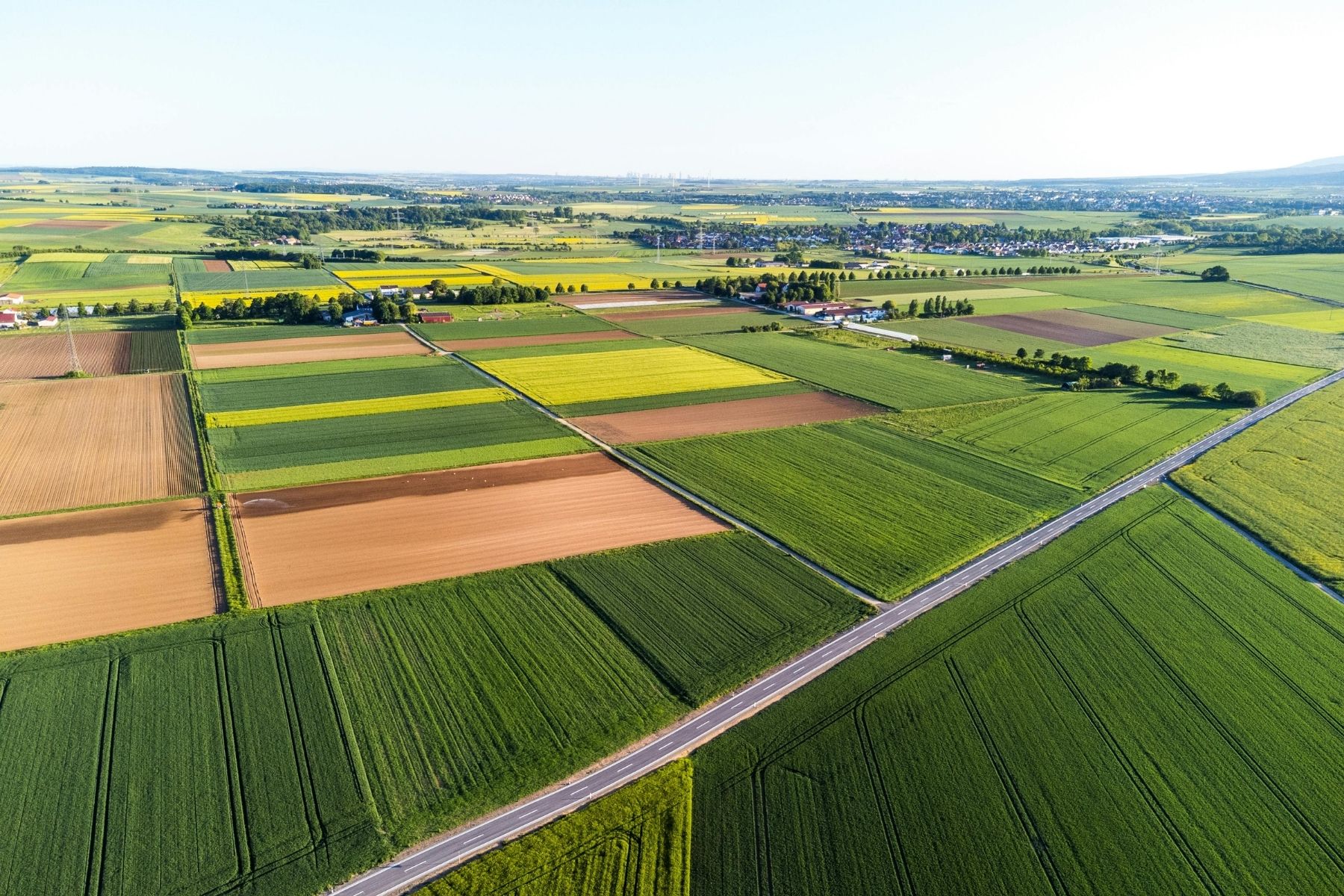
The land is the foundation of the whole project – abundance, livelihoods, planetary balance. When the sustainable agriculture movement keeps its focus on the land, its mandate is clear and its measures of success are direct and true.
What does it look like to put the land at the center of the conversation? Here are a few ideas:
Collect data to generate insight, not to satisfy a disclosure requirement. What happens on the land should inform decisions on the land.
Respect the complexity of farming. Agriculture is biological, not industrial. It will never reduce to a clean stream of data. Local knowledge and human judgment are a strength.
Invest in land rather than extract from it. In a system with accelerating volatility, well-managed land is a more valuable, more resilient asset. But that requires capital and supply chains willing to take the long view.
These are just a few ideas. We need a lot more of them.
There’s a powerful convergence that happens when you focus on the land. It brings together the interests of farmers, procurement teams, and capital, not by proxy through reporting, but through a shared stake in how the land performs. This is how the sustainable agriculture movement scales to the challenges of a system of accelerating risk.
The food system that can reliably feed the world in 2050 won’t be built on better disclosure. It will be built on better decisions — made closer to the land, informed by what the land is actually telling us. That’s the whole project. It always was.
[1] https://www.jpmorgan.com/insights/sustainability/climate/fate-of-farming-and-food